

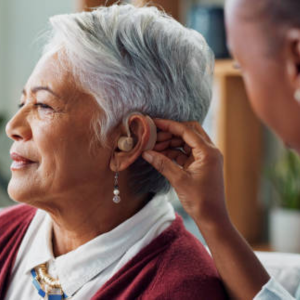
For many people, hearing loss seems like an inconvenient—but manageable—part of aging. Turning up the television, asking others to repeat themselves, or avoiding noisy restaurants can feel like minor adjustments. But researchers now understand that untreated hearing loss is much more than a communication problem. It has been linked to a significantly higher risk of falls, social isolation, depression, cognitive decline, and dementia. The encouraging news is that many of these risks may be reduced when hearing loss is identified and treated early.
Hearing Loss: More Common Than Many Realize
Age-related hearing loss (called presbycusis) is one of the most common chronic conditions among older adults. According to research from the National Institutes of Health (NIH), more than one-third of adults over age 65 experience measurable hearing loss, yet many wait years before seeking help. Untreated hearing loss often develops gradually, making it easy to overlook. (National Institutes of Health (NIH)
Historically, hearing loss was viewed mainly as a quality-of-life issue. That perception changed dramatically in the last two decades, thanks to groundbreaking work by researchers who began documenting links between hearing loss and broader health outcomes.
The Discovery of Hearing Loss as a Brain Health Risk
One of the most influential discoveries came from Frank Lin, a physician and researcher at the Johns Hopkins University. In a landmark 2011 study following older adults over many years, Lin and colleagues found that hearing loss was associated with a markedly increased risk of dementia. The greater the hearing loss, the higher the risk. Mild hearing loss roughly doubled dementia risk, moderate hearing loss tripled it, and severe hearing loss increased risk even more. (PMC)
Lin’s research helped shift hearing loss from being considered merely an “ear problem” to something deeply connected with brain health. Later studies reinforced these findings and showed that hearing loss is also associated with faster cognitive decline and reduced memory performance. Today, hearing loss is recognized as one of the most important modifiable risk factors for dementia. The influential 2020 Lancet Commission identified hearing loss as a major preventable contributor to dementia risk worldwide. (The Guardian)
Why Does Hearing Loss Affect the Brain?
Researchers are still studying exactly why hearing loss raises dementia risk, but several explanations have emerged.
1. Increased “Brain Strain”: When hearing declines, the brain must work harder just to process sounds and understand speech. This extra mental effort may divert energy away from memory, thinking, and other cognitive functions. Some scientists describe this as “cognitive load”—the brain becomes overworked trying to fill in missing sounds. (PMC)
2. Social Isolation: People with hearing loss often withdraw from conversations, group activities, and social events because communication becomes exhausting or embarrassing. Unfortunately, social isolation itself is a major risk factor for depression, cognitive decline, and dementia. (Frontiers)
3. Reduced Brain Stimulation: The hearing centers of the brain depend on stimulation. When hearing loss goes untreated, parts of the brain may receive less sensory input, potentially accelerating age-related decline. Some imaging studies suggest hearing loss may even contribute to faster brain shrinkage in certain regions. (Hopkins Medicine)
Hearing Loss and Increased Risk of Falls
Many people are surprised to learn that hearing loss is also associated with a greater risk of falling.
Again, much of the early research came from Frank Lin and his colleagues, who found that even mild hearing loss was linked to significantly increased odds of falling. Researchers believe several factors may explain the connection:
- Reduced environmental awareness: Hearing helps people notice approaching people, traffic, movement, or hazards.
- Mental overload: When the brain works harder to hear, fewer cognitive resources may remain for balance and movement.
- Shared inner-ear systems: The hearing and balance organs are closely connected anatomically, so age-related changes may affect both systems. (PubMed)
Falls are especially serious for older adults because they increase the risk of fractures, hospitalization, reduced independence, and loss of confidence.
Other Unhealthy Outcomes Linked to Untreated Hearing Loss
Research increasingly connects untreated hearing loss with a range of other negative health outcomes:
- Depression and Loneliness: People with hearing loss are more likely to experience loneliness and depression because communication difficulties can lead to withdrawal from family gatherings, friendships, and community life. (PubMed)
- Reduced Physical Activity: Some studies suggest people with hearing loss may walk more slowly and become less physically active over time, potentially increasing frailty.
- Increased Mortality Risk: Emerging research has even linked untreated hearing loss with a higher risk of early death, although researchers caution that hearing loss may reflect broader health changes rather than directly cause mortality. (Health)
What Can Be Done to Reduce the Risks?
The most important message is this: hearing loss is treatable, and addressing it may improve both quality of life and long-term health.
- Get a Hearing Evaluation: If conversations seem muffled, people appear to mumble, or television volume keeps creeping upward, a professional hearing assessment is worthwhile. Importantly, people often underestimate their hearing loss, making objective testing valuable. (Reddit)
- Consider Hearing Aids Earlier: Research increasingly suggests that treating hearing loss may help protect cognitive function. In a major NIH-supported clinical trial published in 2023, hearing intervention slowed cognitive decline by nearly 50% among older adults at high risk for dementia over three years. While hearing aids are not a cure for dementia—and scientists are careful not to overstate the evidence—the findings suggest treatment may be an important protective step. (National Institutes of Health (NIH))
- Stay Socially Engaged: Remaining connected matters. Participating in classes, volunteer activities, support groups, and social gatherings can help counter the isolation that sometimes accompanies hearing loss.
Protect Hearing from Further Damage. Experts recommend:
- Limiting prolonged exposure to loud noise
- Using hearing protection in noisy settings
- Monitoring medications that may affect hearing
- Scheduling regular hearing checkups after age 60 (PubMed)
The Bottom Line
Untreated hearing loss is not simply an annoyance of aging. Research over the past two decades—especially pioneering work led by Frank Lin and others—shows that hearing loss is linked to higher risks of falls, social isolation, depression, cognitive decline, and dementia. But hearing loss is also one of the few potentially modifiable risk factors for healthier aging. The earlier hearing problems are recognized and treated, the greater the opportunity to stay connected, remain independent, and support long-term brain health.

Visit the Health & Wellness category for events featuring a variety of health, nutrition, prevention, and fitness classes.