

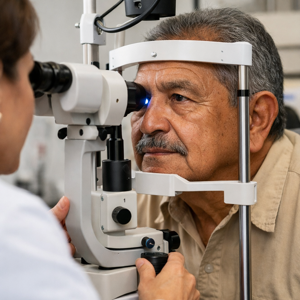
January is Glaucoma Awareness Month, a time to focus on an eye disease that often develops quietly and can cause permanent vision loss before a person realizes anything is wrong. Glaucoma affects the optic nerve, which is essential for vision, and while it cannot be cured, early detection and treatment can protect sight and slow progression.
Glaucoma is not a single disease, but a group of eye conditions that damage the optic nerve over time. Because symptoms often appear slowly—or not at all in the early stages—many people do not know they have glaucoma until vision loss has already begun. In fact, about half of people living with glaucoma are unaware of it.
?️ How Glaucoma Affects Vision
In its early stages, glaucoma typically causes no noticeable symptoms. Vision loss happens gradually, most often starting with side (peripheral) vision, especially the area closest to the nose. Because this change is subtle, it can be difficult to notice day to day.
As the disease progresses, blind spots may develop, and without treatment, glaucoma can eventually lead to severe vision loss or blindness. Once vision is lost, it cannot be restored—making early detection critical.
? The Only Way to Detect Glaucoma
There is no single symptom checklist that can reliably identify glaucoma. The only way to know if someone has the disease is through a comprehensive dilated eye exam, which includes:
- Dilating the pupils to examine the optic nerve
- Measuring eye pressure
- Testing side (peripheral) vision through a visual field test
These exams are simple and painless, and they allow eye doctors to detect glaucoma before noticeable vision loss occurs.
Regular eye exams are especially important for people at higher risk, including:
- Adults over age 60, particularly those who are Hispanic or Latino
- African American adults over age 40
- Anyone with a family history of glaucoma
⚠️ When Symptoms Require Immediate Care
While most glaucoma progresses slowly, angle-closure glaucoma can cause sudden and severe symptoms that require immediate medical attention. These may include:
- Intense eye pain
- Red eyes
- Blurry vision
- Nausea or upset stomach
If these symptoms appear, it is considered a medical emergency and requires urgent care.
? Treatment Options: Protecting Remaining Vision
Although there is no cure for glaucoma, treatment is often very effective at slowing or stopping further damage. Treatment focuses on lowering eye pressure and may include:
- Prescription eye drops, the most common treatment
- Laser procedures to improve fluid drainage in the eye
- Surgery, when medications and laser treatment are not effective
Treatment does not reverse vision loss that has already occurred, but it can help preserve remaining sight and support long-term independence.
? Why Awareness Matters as We Age
Some vision changes are a normal part of aging, but vision loss from glaucoma is not inevitable. Regular eye care, early detection, and consistent treatment can make a meaningful difference in quality of life.
Vision loss affects more than eyesight—it can impact mobility, safety, social connection, and independence. That is why glaucoma awareness is an important part of healthy aging and caregiving conversations.
? Ongoing Research and Trusted Information
Researchers continue to study what causes glaucoma, how to detect it earlier, and how to improve treatment options. Much of this research and public education is supported by the National Eye Institute, which provides evidence-based information for individuals, families, and professionals.
? The Bottom Line
Glaucoma often develops without warning, but early detection can protect vision. Comprehensive eye exams remain the most effective tool for identifying glaucoma before vision loss progresses. During Glaucoma Awareness Month—and all year long—staying informed and prioritizing eye health are key steps toward aging well and maintaining independence.