
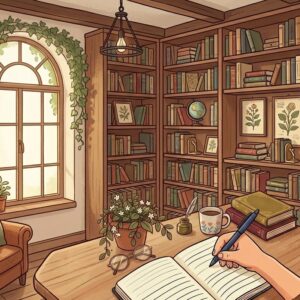
Writing offers possibilities: a memory waiting to be preserved, an idea waiting to bloom, or simply a moment of reflection captured before it slips away. For older adults especially, writing can be more than a hobby—it can be a source of joy, purpose, creativity, healing, and connection.
Many people believe writing belongs to novelists, journalists, or poets, but it is for everyone. You do not need perfect grammar, a dramatic life story, or a publishing contract to write. Some of the richest writing emerges later in life, when years of experience, perspective, humor, and wisdom have deepened our understanding of ourselves and others.
Be it family stories, childhood adventures, travel experiences, career lessons, or moments of resilience, your writing can become a treasure—not only for yourself but for future generations. Grandchildren may someday delight in reading about what life was like in “your era,” discovering family history through personal stories rather than just photographs.
Of course, writing doesn’t have to focus on the past. It can also be a way to explore the present or imagine entirely new worlds. You can discover the pleasure of creative expression through many forms of writing, each offering its own rewards.
Journaling: A Conversation with Yourself
Keeping a journal is one of the simplest and most rewarding ways to write. A journal can capture daily thoughts, gratitude, worries, observations, or hopes for the future. Studies suggest that expressive writing may help reduce stress, improve mood, and provide emotional clarity. Sometimes the act of putting thoughts into words helps us better understand them.
A gratitude journal, for example, might include three things each day that brought joy—a phone call from a friend, birds outside the window, or a favorite meal. Over time, these moments create a meaningful portrait of everyday life.
Memoir and Life Story Writing: Leaving a Legacy
Memoir writing allows older adults to preserve personal history while making sense of life’s twists and turns. You do not need to have climbed mountains or met presidents to write a memoir. Everyday experiences often hold the deepest meaning. What was school like when you were young? How did your family celebrate holidays? What life lessons did you learn from work, relationships, or setbacks? Some people write for family; others simply enjoy reflecting on meaningful moments. Even short stories from one’s life can become a treasured legacy.
Poetry: Finding Beauty in Few Words
Poetry may sound intimidating, but it doesn’t require rhyme or formal structure. Poems can be brief, playful, thoughtful, or deeply personal. A few lines about a garden, a memory, or a feeling can express emotions in ways ordinary conversation cannot. For many, poetry becomes a way to distill wisdom, celebrate beauty, or process grief and change. Sometimes the smallest poem carries the greatest truth.
Fiction: Imagining New Possibilities
If you ever wondered, “What if?” fiction writing invites your imagination to take the lead. Some enjoy writing short stories about characters inspired by life experiences, while others try mysteries, romance, historical fiction, or humor. Writing fiction can be especially joyful because it encourages curiosity and playfulness. A retired teacher might write about a detective in a retirement community. A travel enthusiast may invent adventures across Europe. The possibilities are endless.
Playwriting and Screenwriting
There is a distinct joy found in writing for the stage and screen, where words are not meant to remain quiet on a page but are born to be spoken aloud. In playwriting and screenwriting, the act of creation is a thrilling exercise in empathy and architecture. You are not just telling a story; you are constructing a living, breathing blueprint for an entire room of collaborators—actors, directors, designers, and cinematographers—to inhabit. The pleasure lies in the alchemy of dialogue, where a single line of subtext can shift the tension of an entire scene, and in the pacing of visual storytelling, where what is left unsaid carries as much weight as what is spoken. For a writer, the ultimate reward is that breathtaking moment of shared experience: watching a live audience lean forward in the dim light of a theater or feeling the collective gasp in a cinema as your private world becomes their shared reality.
Letters and Family Stories: Connection Through Words
Not all meaningful writing is formal. Writing letters, birthday reflections, or family stories can deepen relationships. A handwritten note to a grandchild, advice for younger generations, or a collection of favorite recipes and stories can become deeply cherished keepsakes. In an age of quick texts and emails, thoughtful written words often feel especially meaningful.
Blogs, Articles, Community Writing—and Even Paid Opportunities
Writing can be even more enjoyable when it is shared in community. Workshops, memoir groups, library programs, and lifelong learning classes offer supportive spaces to explore ideas and build confidence. Local bookstores and community centers often host small writing circles where participants can read aloud, exchange feedback, and stay motivated. Online communities also make it easy to connect with other writers from anywhere. Platforms like Meetup can help you find nearby writing groups, journaling circles, and creative workshops. PSS Life University offers Start Writing Again, an online workshop that welcomes writers at all levels. These shared spaces often turn writing from a solitary activity into a social one—offering encouragement, inspiration, and the simple joy of being part of a community of voices.
Some find joy not only in writing for pleasure, but also in sharing knowledge, stories, and expertise with others. Whether writing articles for a local newsletter, contributing to a community organization, or starting a personal blog, writing can create a meaningful sense of purpose and engagement.
For those who enjoy research and storytelling, writing can even become a source of supplemental income. Many retirees and older adults discover opportunities to write paid blog posts, magazine articles, newsletters, or website content. Others explore freelance writing in areas where they have professional experience—healthcare, education, travel, finance, caregiving, or the arts.
If you enjoy interviewing people and writing human-interest stories, while others pursue research-based writing or journalism, investigating topics that matter to their communities or generations. Local newspapers, nonprofit organizations, online publications, and special-interest magazines often welcome experienced voices with real-world perspective.
You do not have to be a trained journalist to begin. Curiosity, strong listening skills, and a desire to tell meaningful stories can go a long way. In fact, decades of life experience often provide older writers with a depth and perspective that readers value.
Writing for Health and Happiness
Beyond creativity, writing may support emotional well-being. Research has linked expressive writing to reduced stress and improved emotional resilience. Writing can help people process life transitions such as retirement, caregiving, relocation, or loss. It can also sharpen memory, stimulate the mind, and provide a satisfying sense of accomplishment. Perhaps most importantly, writing reminds us that our voices matter.
Getting Started Is Easier Than You Think
The hardest part of writing is often beginning. Start small. Write one memory. Describe a favorite meal from childhood. Record a funny family story. Reflect on a lesson life has taught you.There are no rules that say writing must be serious, polished, or perfect. A notebook, a computer, or even voice-to-text technology can help turn thoughts into words.
You are never too old to become a writer. Whether you craft poetry, record memories, write fiction, or simply keep a journal, writing offers a unique joy: the chance to discover yourself on the page and leave something meaningful behind. After all, everyone has stories worth telling—and no one else can tell yours.

Visit the Arts & Culture section for writing workshops, interviews with authors, and more.