

Changes in hearing, vision, smell, and balance are common in later life. Because these shifts develop gradually, they are often overlooked. Yet they directly affect communication, nutrition, mobility, safety, and mental energy.
When sensory input weakens, the brain works harder to interpret information. That added strain can look like irritability, withdrawal, fatigue, or reduced confidence. Before assuming behavioral decline, it is important to consider whether sensory systems are contributing to the change.
Hearing and Communication Strain
Age-related hearing loss does not simply lower volume. It reduces clarity. Conversations in environments with background noise become mentally taxing, and the effort required to fill in missing words can lead to exhaustion and social avoidance.
To improve communication and reduce listening fatigue
✔ Hold conversations in quiet settings
✔ Sit face-to-face to allow visual cues to support understanding
✔ Schedule a comprehensive hearing evaluation
✔ Consider assistive listening devices if recommended
Improving auditory clarity often restores engagement that appeared to be lost.
Vision and Fall Risk
Aging affects contrast sensitivity and depth perception more than sharpness. Steps, patterned rugs, and changes in flooring can blend together. Glare from bright lighting further reduces visual clarity.
To reduce fall risk and improve visual safety
✔ Increase indirect lighting in hallways and stairways
✔ Add contrast to stair edges and transitions in flooring
✔ Reduce glare from polished floors and harsh bulbs
✔ Maintain regular eye examinations and updated prescriptions
✔ Review medications that may affect vision or balance
Targeted environmental changes frequently reduce falls more effectively than limiting activity.
Smell, Taste, and Nutrition
Smell decline significantly alters flavor perception. Meals may seem bland, leading to reduced appetite and gradual weight loss. This is often mistaken for depression or lack of interest.
To support appetite and maintain nutrition
✔ Enhance meals with herbs, citrus, and varied textures
✔ Increase visual contrast and color on the plate
✔ Monitor gradual weight changes
✔ Review medications that may affect taste or appetite
Stimulating multiple senses during meals can improve intake without excessive salt or sugar.
Balance and Physical Confidence
Subtle changes in inner ear function and sensory feedback from the feet affect stability long before a fall occurs. Reduced confidence may lead to decreased activity, which then accelerates weakness.
To preserve stability and prevent injury
✔ Request a balance or mobility evaluation
✔ Remove minor tripping hazards throughout the home
✔ Encourage strength and stability exercises
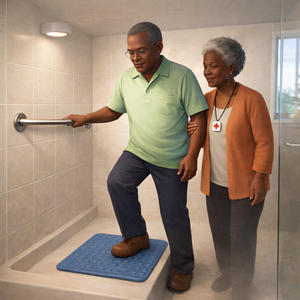
✔ Install grab bars or supports in high-risk areas
Addressing balance early helps maintain independence.
The Broader Perspective
Sensory changes rarely occur in isolation. Mild hearing loss combined with reduced visual contrast and subtle balance shifts can significantly affect daily functioning. What appears to be behavioral change may reflect sensory strain.
Recognizing the role of sensory health allows families to shift from reacting to behavior to modifying conditions. Thoughtful adjustments to lighting, sound, meals, and physical setup can improve safety, communication, and overall quality of life for both caregiver and care receiver.