

How to Organize and Digitize Photos, Film, and Video
For many people, boxes of old photos, negatives, slides, and home movies are more than clutter; they’re time capsules. Family milestones, everyday moments, and faces we may never see again are stored in there. What’s challenging is that these materials degrade over time, and the devices needed to view them are becoming obsolete. Fortunately, there are more options than ever to organize and digitize these collections so they’re easier to preserve, share, and enjoy.
Start with Sorting and Storytelling
Before any scanning begins, take time to sort. Group items by decade, event, or family branch, doing whatever feels intuitive. As you go, remove duplicates and damaged items, and jot down names, dates, and locations while the memories are still fresh. This step transforms a pile of images into a meaningful archive. Even a simple system like labeled envelopes or archival boxes can make a huge difference.
Digitizing Printed Photos
Printed photographs are often the easiest place to start. A flatbed scanner offers high-quality results and control over resolution—300 to 600 dpi is typically sufficient for most uses, while higher resolutions are ideal for enlargements. If you prefer a quicker approach, smartphone apps can scan photos using your camera, automatically correcting glare and perspective. While slightly less precise than a scanner, they are convenient and surprisingly effective for sharing and casual archiving.
Handling Negatives and Slides
Negatives and slides often contain the highest-quality versions of your images, but they require specialized handling. Dedicated film scanners or flatbed scanners with transparency adapters can capture remarkable detail. For those with large collections, outsourcing may be worthwhile. Professional services can batch-process slides and negatives efficiently, often including color correction and dust removal. If you choose a do-it-yourself route, patience and careful handling are key, as these materials are delicate.
Converting Film Reels and Video Tapes
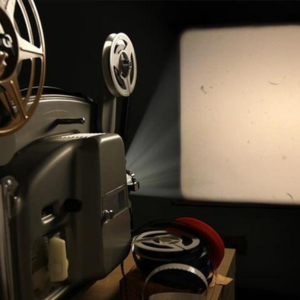
Film reels (like 8mm or Super 8) and video tapes (VHS, MiniDV, Hi8) present a different challenge: they require playback equipment that may no longer be readily available. Conversion typically involves connecting a playback device to a digital capture system. While tech-savvy users can do this at home with the right adapters and software, many people opt for professional transfer services. These services can stabilize footage, improve color, and deliver files in modern formats that are easy to view on computers or TVs.
Organizing Your Digital Archive
Digitizing is only half the job. Organization ensures your files remain accessible. Create a consistent folder structure (for example, Year → Event → People) and use clear, descriptive file names. Adding metadata, such as names, dates, and locations, makes searching much easier later on. Consider using photo management software to tag and sort images. And don’t forget backups: keep copies on an external hard drive and in cloud storage to protect against loss.
Sharing and Preserving for the Future
Once your collection is digitized, the possibilities open up. You can create digital albums, share folders with family members, or design printed photo books. Slideshows and curated collections can bring new life to old memories, especially for younger generations who may never have seen them before. Most importantly, digitization protects your history from physical decay and technological obsolescence. What was once hidden in boxes becomes a living archive: one that can be revisited, shared, and treasured for years to come.
Organizing and digitizing old media may feel like a daunting project, but it doesn’t have to be done all at once. Start small: one box, one album, one reel at a time, and build momentum. With each step, you’re not just clearing space; you’re preserving a legacy.

Visit the Living Life Fully category for classes on topics like this and more.