

What Older Adults Need to Know to Stay Safe
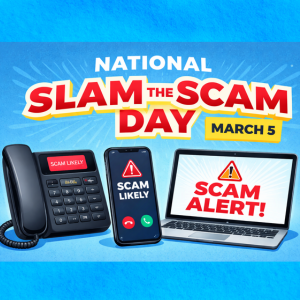
On Thursday, March 5, 2026, communities nationwide observe National Slam the Scam Day, a public awareness campaign led by the Social Security Administration and its Office of the Inspector General. The goal is simple but important: help people—especially older adults—recognize scams, avoid financial loss, and know exactly what to do when something doesn’t feel right.
Scammers increasingly target older adults because they believe we are more likely to answer phone calls, trust official-sounding messages, or have retirement savings or benefits they can exploit. Once you know the predictable patterns that scams follow, they become much easier to combat.
Why Older Adults Are Frequently Targeted
Fraudsters often focus on retirees and Medicare or Social Security recipients because they can tailor scams to real-life concerns, such as:
- Protecting Social Security or pension benefits
- Medical bills or Medicare coverage
- Banking and identity theft worries
- Fear of legal trouble or account suspension
Scammers rely on urgency and emotion—they want you to feel worried, rushed, or confused so you act before thinking.
The Most Common Scam Warning Signs
If you remember nothing else, watch for these red flags:
Someone Pretends to Be a Trusted Authority
They may claim to be from Social Security, Medicare, the IRS, a bank, or even local law enforcement.
You’re Told There’s an Urgent Problem
Examples include:
- “Your Social Security number has been suspended.”
- “Your benefits will stop today.”
- “There’s suspicious activity on your account.”
You’re Pressured to Act Immediately
Scammers may say:
- “Don’t hang up.”
- “You must act now.”
- “Don’t tell anyone.”
Real agencies give you time and encourage questions.
They Demand Unusual Payment
This is one of the biggest clues. Requests for payment by:
- Gift cards
- Cryptocurrency
- Wire transfers
- Cash mailed in an envelope
are almost always scams.
What Government Agencies Will Never Do
It’s important to know how legitimate agencies operate. The Social Security Administration, Medicare, and other government offices will never:
- Threaten arrest or legal action over the phone
- Demand immediate payment
- Ask for gift cards or cryptocurrency
- Pressure you to keep secrets from family members
- Suspend your Social Security number
If someone does any of these things, hang up.
What To Do If You Receive a Suspicious Call or Message
Many people worry about being rude—but protecting yourself comes first.
Follow these steps:
- Stop the conversation. Hang up or ignore the message.
- Do not click links or open attachments in unexpected emails or texts.
- Do not share personal information, including your Social Security number, Medicare number, bank details, or passwords.
- Verify independently. Call the agency directly using a number from an official website or statement—not the number that contacted you.
- Talk to someone you trust. A family member, friend, or staff member at your older adult community center can help you evaluate the situation.
Taking a pause is often enough to prevent a scam.
If You Already Responded or Sent Money
You are not alone—and you are not to blame. Scammers are professionals who trick millions of people every year.
Act quickly:
- Contact your bank or credit card company immediately.
- Report Social Security–related scams to the SSA Office of Inspector General.
- Report other scams to the Federal Trade Commission at ReportFraud.ftc.gov.
Reporting helps authorities track scams and warn others in your community.
Help Protect Friends and Neighbors
One of the most powerful ways to stop scams is simply talking about them. Consider:
- Sharing scam warnings at older adult community centers or gatherings
- Checking in with older friends who live alone
- Discussing common scams with family members
Scammers succeed when people feel isolated. Community awareness makes everyone safer.
A Simple Rule to Remember
If a caller creates fear, urgency, or secrecy, pause and verify before acting.
National Slam the Scam Day is a reminder that knowledge is your strongest defense. By recognizing warning signs and knowing what steps to take, older adults can confidently protect their finances, identities, and peace of mind—not just on March 5, but every day of the year.
Familiarize Yourself with Confidence with These On-Demand Courses
- Email Safety: Shield Yourself Against “Phishing” Scams:
Essential knowledge and practical skills to recognize and evade deceptive email tactics. - Staying Safe from Phone Scams & Unknown Callers: Recognize scams and use your phone’s security features to protect your personal information.