

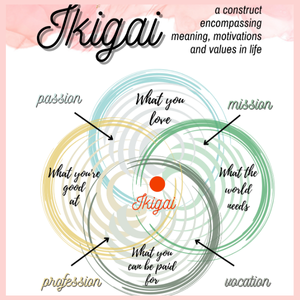
Ikigai, a Japanese term meaning “a reason for being,” combines iki (“life”) and gai (“value” or “worth”) to express a profound sense of purpose. In our fast-paced world, the guide emphasizes that uncovering your ikigai can restore balance and meaning to everyday life. It’s more than a cliché—it’s a lifelong journey of self-discovery and alignment.
The Four Elements of Ikigai
Ikigai emerges where what you love, what you’re good at, what the world needs, and what you can be paid for overlap. These dimensions, often depicted as a Venn diagram, guide you to a fulfilling purpose. The site walks readers through reflective exercises—such as journaling, mindfulness, and self-inquiry—to help identify personal intersections. The goal? To nurture passions into meaningful, sustainable pursuits .
Health & Cultural Roots
Ikigai is deeply embedded in Japanese culture—especially among Okinawans, known for their longevity. This aligns with scientific findings: numerous studies link having ikigai to better mental health, reduced stress, and even lower cardiovascular risk . Integrating ikigai into one’s life can foster resilience and a sense of belonging, balancing duty and desire.
Practical Steps to Live Your Ikigai
To make ikigai actionable, some daily routines and mindset shifts include:
- Self-reflection tools like mind maps or “why” ladders.
- Aligning career with values, whether through volunteering, side hustles, or daily tasks.
- Cultivating flow, the state of deep engagement by pursuing activities that challenge and fulfill.
- Community connections, inspired by Japan’s social ikigai, like “moai” groups—people who support each other through shared interests and mutual aid.
Visit the Living Life Fully category for more.