
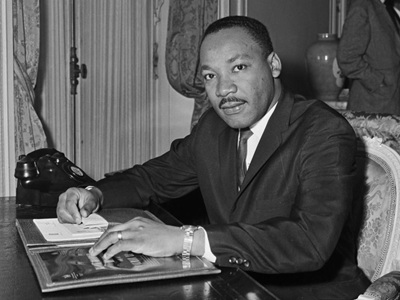
Martin Luther King Jr. Day, observed each year on the third Monday in January, is more than a federal holiday: It is a day of reflection, service, and renewed commitment to justice, equality, and community. Dr. King’s vision of a “Beloved Community,” grounded in nonviolence, compassion, and shared responsibility, continues to resonate across generations. This day offers a meaningful opportunity to honor the past, share wisdom, and actively shape a more just future.
One powerful way to observe MLK Day is through reflection and learning. Reading or listening to Dr. King’s speeches, such as “I Have a Dream” or “Where Do We Go from Here?” can spark thoughtful consideration of how his message applies today. Many libraries, museums, and community organizations host lectures, film screenings, or discussion groups that explore the Civil Rights Movement and its ongoing relevance. Journaling or participating in a small-group conversation can help connect personal life experiences with Dr. King’s call for moral courage and civic engagement.
MLK Day is also known as a National Day of Service, making it an ideal time to give back in ways that align with one’s interests and abilities. Older adults can volunteer locally, writing letters to isolated older adults, assembling care packages, mentoring younger people, or supporting food pantries and community gardens. Even small acts of kindness, such as checking in on a neighbor or making a charitable donation, reflect Dr. King’s belief that “everybody can be great because everybody can serve.”
Another meaningful way to observe the day is by sharing stories and fostering intergenerational connections. Older adults carry firsthand memories of social change and can offer valuable perspectives to younger family members, students, or community groups. Sharing personal reflections, whether about civil rights milestones, moments of solidarity, or lessons learned, helps keep history alive and inspires continued action. Conversations across generations reinforce Dr. King’s vision of unity and mutual respect.
Ultimately, making the most of Martin Luther King Jr. Day is about living its values. For older adults, this may mean recommitting to fairness, empathy, and active citizenship in everyday life, speaking out against injustice, staying informed, and supporting organizations that promote equity. By reflecting, serving, and connecting, older adults can honor Dr. King’s legacy in deeply personal and enduring ways, demonstrating that the pursuit of justice and community is truly lifelong.
Visit PSS Life! University’s Living Life Fully section to find exciting events.