

Why It Matters—and How to Take Action
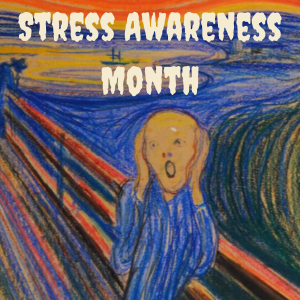
Each April, Stress Awareness Month offers a timely reminder that stress is not just an occasional inconvenience; it’s a serious, widespread health concern. First recognized in 1992 by The Stress Management Society, this observance aims to increase public understanding of stress, its causes, and effective coping strategies.
What Is Stress, Really?
Stress triggers the body’s natural responses to pressures or perceived threats. In small doses, it can sharpen focus and improve performance. But when stress becomes chronic, it can negatively affect both mental and physical health, contributing to anxiety, sleep problems, heart disease, weakened immunity, and more. In today’s fast-paced world, marked by constant connectivity, financial pressures, caregiving responsibilities, and global uncertainty, many people experience sustained levels of stress without realizing its long-term impact.
Signs You Might Be Stressed
Stress can show up in different ways. Common signs include:
- Persistent fatigue or low energy
- Difficulty concentrating
- Irritability or mood swings
- Trouble sleeping
- Muscle tension or headaches
- Changes in appetite
Recognizing these signals early is key to managing stress before it escalates.
Why Stress Awareness Month Matters
Stress Awareness Month encourages individuals and communities to:
- Pause and reflect on their stress levels
- Learn coping strategies that promote resilience
- Reduce stigma around mental health challenges
- Encourage open conversations in workplaces, families, and social circles
By bringing the topic stress into the open, it becomes easier to address and easier for people to seek support without judgment.
Practical Ways to Manage Stress
You don’t need a complete life overhaul to reduce stress. Small, consistent changes can make a meaningful difference:
- Incorporate daily movement: Even light exercise like walking or stretching can reduce stress hormones and boost mood.
- Practice mindful breathing: Taking a few minutes each day to focus on your breath can calm the nervous system and improve clarity.
- Set boundaries: Learn to say no when needed, and protect time for rest and personal priorities.
- Stay connected: Talking with friends, family, or peers can provide emotional support and perspective.
- Limit information overload: Constant news and digital input can heighten stress. Take intentional breaks from screens.
- Seek professional support when needed: Therapists, counselors, and healthcare providers can offer tools tailored to your situation.
Bringing Awareness into Everyday Life
Organizations, workplaces, and community groups can use April as an opportunity to host workshops, share resources, or promote wellness initiatives. Even simple actions like encouraging regular breaks or starting conversations about mental health can have a lasting impact.
A Month to Start, Not Finish
Stress Awareness Month is not about eliminating stress entirely. That’s neither realistic nor necessary. Instead, it’s about understanding stress, managing it effectively, and building habits that support long-term well-being. The goal isn’t perfection. It’s about awareness, balance, and taking small steps toward a healthier, more sustainable way of living.

Visit the Health & Wellness Category for classes on this and other well-being topics.