


During Active Aging Week and beyond, why not consider the benefits of stretching? While cardiovascular exercise and strength training often are emphasized, flexibility and joint mobility form a baseline for independence as we age. Adding some simple, stretching time to your daily routine helps preserve range of motion, prevent falls, and move through daily life with more ease.
Key Benefits of Daily Stretching for Older Adults
As body tissues lose elasticity over time, joints stiffen, making routine tasks such as reaching for a high shelf or tying shoelaces increasingly difficult. Regular flexibility training counteracts these changes across several vital areas:
- Fall Reduction and Balance: Tight hamstrings, calves, and hip flexors alter posture and shorten stride length. Flexibility exercises help maintain proper spinal alignment and smooth movement, directly reducing fall risks.
- Joint Pain Relief: Stiffness often stems from shortened, inactive muscles pulling continuously on joint structures. Gentle lengthening reduces pressure on joints affected by osteoarthritis or general wear and tear.
- Enhanced Circulation: Stretching encourages oxygenated blood to flow through tight muscular tissues, aiding tissue recovery and decreasing joint soreness.
- Mental Well-being: Controlled stretching paired with deep breathing reduces physical stress, releases muscular tension, and boosts mental clarity.
Safe Stretching Practices
To get the most out of a flexibility routine without injury, follow these practical guidelines:
- Warm Up First: Never stretch cold muscles. Take a short 5-minute walk or perform shoulder rolls beforehand to increase tissue temperature.
- Never Stretch to Pain: Aim for a mild, comfortable pull. Acute or sharp pain is a signal to ease out of the movement immediately.
- Hold and Breathe: Keep static stretches steady for 15 to 30 seconds. Avoid bouncing (ballistic movement), which can cause muscle micro-tears.
- Use Support: Utilize sturdy furniture, counter edges, or stable chairs to maintain balance while focusing entirely on muscle extension.
Staying mobile and independent is a lifelong journey, one that begins with prioritizing functional flexibility. By integrating simple, targeted stretches into your daily routine, you can protect your joints, improve balance, reduce pain, and reclaim the freedom of effortless movement. Whether you start with gentle chair stretches or a full-body routine, making time for daily flexibility training is one of the most effective investments you can make in your long-term health, vitality, and quality of life.
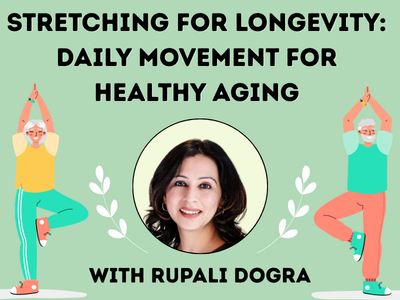
Visit this related on-demand event about the benefits of stretching.