

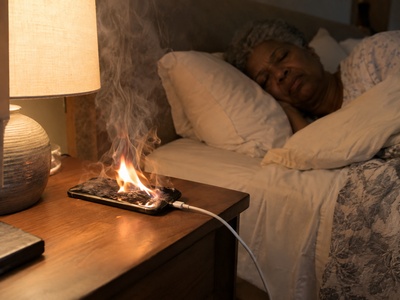
Lithium-ion batteries power phones, tablets, laptops, electric cars, e-bikes, and scooters. E-bikes and scooters have no federal safety standards, and some of their batteries are defective from the start or become defective over time, according to the FDNY. In 2023, lithium-ion batteries caused 268 fires in New York City.
A battery does not need to be plugged in to catch fire. The FDNY warns that a malfunctioning or uncertified lithium-ion battery can explode at any moment, whether it is charging or not. New York City bans the sale of uncertified and refurbished lithium-ion batteries, and the city advises that a battery should never be repaired. For that reason, safe storage and early attention to a failing battery matter just as much as safe charging.
59 percent of New York City’s lithium-ion battery fires in 2023 started while the battery was not charging.
The FDNY asks residents to watch every rechargeable battery for four changes.
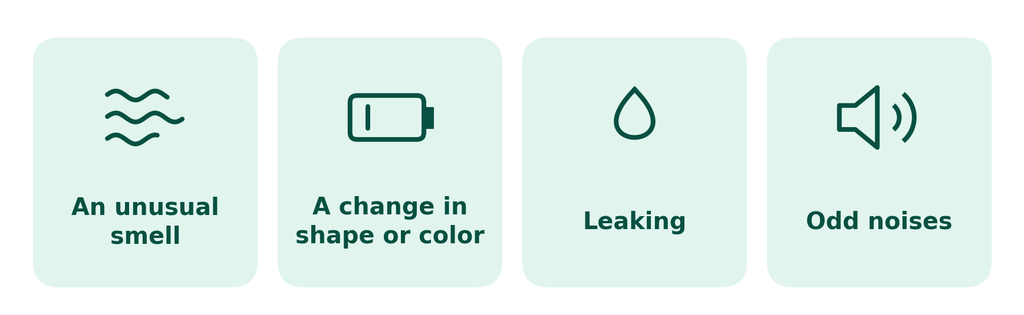
A battery that shows any of these signs should go to one of the Department of Sanitation‘s Special Waste Drop-Off sites, which operate in all five boroughs. The department asks residents to bag each battery separately or cover its terminals with clear tape before bringing it in, to prevent a fire on the way. Storage follows the same logic as charging. Batteries stay safest at room temperature, out of direct sunlight, and away from anything that can burn. The FDNY advises against charging any device in a bedroom or near a window with a fire escape, and it recommends charging e-bikes and scooters outside when possible, or on the floor when they charge indoors.
An older adult may need more time to leave during a fire, so the escape route should match what the person can actually do. The U.S. Fire Administration advises caregivers to walk the route with a walker or wheelchair to confirm it clears every doorway, to test the smoke alarms of anyone who cannot do it alone, and to replace a standard alarm with one that uses a bed shaker or strobe light if the person cannot hear it.
Working smoke alarms cut the risk of dying in a home fire by about 60 percent, according to the National Fire Protection Association. New York City residents can get alarms at no cost through Get Alarmed NYC, a program of the FDNY, the FDNY Foundation, and the American Red Cross. Red Cross volunteers test the alarms already in a home and install up to three free ones where they are needed, and residents submit their requests online.
Sources: Fire Department of the City of New York; City of New York; U.S. Fire Administration; National Fire Protection Association; American Red Cross.