

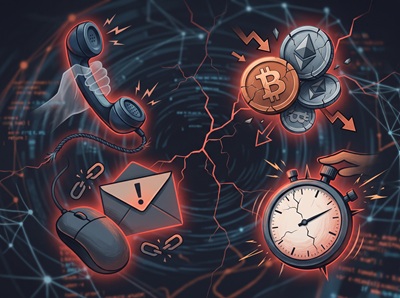
Financial scams have evolved beyond obvious telephone tricks into complex, highly convincing schemes designed to target older adults. Rebecca Abraham, an advocate from the Office of Elder Justice at the NYC Department for the Aging and Community Manager of the SAFE program (Stop Abuse and Fraud Against Elders), gives presentations on staying safe, which requires awareness, proactive planning, and confidence.
While SAFE places a special focus on empowering older women, who statistically outlive men, often handle household finances independently later in life, and are disproportionately targeted, these safety strategies are essential for everyone, men and women alike.
Common Scams in Today’s Landscape
Modern fraudsters exploit trust, fear, and technology. The SAFE program highlights several frequent tactics:
- Grandparent Scams: Callers impersonate a grandchild in distress (often using AI voice-cloning technology), demanding immediate money for bail or medical emergencies.
- Government Impersonation: Scammers pose as IRS, Social Security, or law enforcement agents, threatening arrest unless back taxes or fees are paid immediately via gift cards or wire transfers.
- Tech Support Hoaxes: Pop-ups on computers claim a virus is present, instructing victims to call a number that grants criminals remote access to bank accounts.
- Romance & Friendship Scams: Con artists build online trust over months, eventually fabricating emergencies that require financial help.
Core Defense Principles
| Scammer Strategy | Your Defensive Action |
| Artificial Urgency (“Act now or face arrest!”) | Pause. Scammers rely on panic so you won’t double-check facts. |
| Untraceable Payment Requests (Gift cards, wire transfers, crypto) | Refuse. Legitimate agencies never demand payment via gift cards or crypto. |
| Unsolicited Contact (Text links, random calls) | Verify directly. Hang up and call official phone numbers listed on your bills or cards. |
Empowerment through Safety Planning
A core pillar of SAFE’s work is proactive safety planning. True security comes from having systems in place before a scammer strikes:
- Establish a “Safe Contact” Circle: Designate a trusted family member, advocate, or friend you agree to call before sending any unexpected money over $100.
- Protect Personal Data: Never share Social Security numbers, banking details, or passwords over unsolicited calls or emails.
- Set Up Bank Alerts: Ask your bank to notify you of large withdrawals or unusual transactions.
- Remove the Stigma: If you fall victim or suspect a scam, report it immediately. Scammers count on shame to keep victims silent, but reporting helps protect your community.

Visit the Legal & Financial section for similar topics.